Most air fryer advice is written for people cooking chicken wings and frozen chips. If you’ve gone vegan, or you’re just eating a lot more plants, you might have one sitting on the counter and only ever use it for oven chips. That’s a waste, because an air fryer is arguably better suited to vegetables, tofu and chickpeas than it is to meat. Hot, fast-moving air does the job a frying pan full of oil usually does, which is exactly what plant food needs to stop being soggy.
This guide covers what’s genuinely worth making, what tends to go wrong, and which machine I’d point a beginner towards if you haven’t bought one yet.
The short answer
- Easiest wins: crispy tofu, roasted chickpeas, potato wedges, sprouts, cauliflower and squash
- Worth learning next: falafel from a mix, stuffed peppers, reheating leftover roasties and samosas
- Harder than it looks: anything in a wet batter, and leafy greens, which blow around and burn
- Machine size: around 4L suits one or two people; go bigger if you batch cook for the week
Why it suits plant-based cooking so well
Vegetables and tofu are mostly water. In a conventional oven they can steam in their own moisture before they ever get a chance to brown, especially on a crowded tray. An air fryer moves hot air around a small basket so quickly that the surface dries out and crisps before the inside turns to mush. You get the texture of shallow frying with a teaspoon or two of oil instead of a pan’s worth.
It also heats up in a couple of minutes, which matters on a cold weeknight when you’re feeding one person and can’t justify running a full-size oven for a tray of sprouts.
Six things to make first
1. Crispy tofu. This is the one that converts people. Press a block of firm tofu for 20 minutes or so (a tofu press helps, a couple of heavy books on a tea towel also works), cut it into cubes, toss in a little oil, soy sauce and cornflour, then cook at around 200°C, shaking halfway. The cornflour is what gives it a proper crust. Skip it and you get chewy rather than crisp.
2. Roasted chickpeas. Drain a tin, dry the chickpeas really well on kitchen paper, then season and cook until they rattle when you shake the basket. Smoked paprika and a pinch of salt is hard to beat. Eat them the same day, because they go soft overnight in a tub.
3. Potato wedges. Soak cut wedges in cold water for half an hour if you can be bothered, dry them thoroughly, then oil lightly. They come out better than most oven chips, and you control the salt.
4. Brussels sprouts and cauliflower. Halve the sprouts, break the cauliflower into small florets, and don’t be shy with the heat. A bit of char on the edges is the whole point. A squeeze of lemon or a drizzle of tahini afterwards turns them into a proper side dish rather than an obligation.
5. Butternut squash. Cubed small, it roasts in a fraction of the oven time and goes sweet and sticky at the edges. It’s very good stirred through lentils or folded into a winter grain bowl.
6. Reheats. Leftover roast potatoes, samosas, spring rolls and vegan sausage rolls all reheat far better in an air fryer than in a microwave, which just makes pastry sad and limp.
Where beginners go wrong
- Overfilling the basket. This is the big one. If food is piled up, air can’t get round it and it steams. Cook in two smaller batches rather than one heap.
- Not drying things first. Tinned chickpeas, washed veg and pressed tofu all need patting dry. Surface water is the enemy of crispness.
- Skipping oil completely. “No oil” sounds healthy, but plain vegetables tend to dry out and go leathery. A small spray or a teaspoon tossed through makes a real difference.
- Forgetting to shake. Food touching the basket browns faster than food on top. A shake halfway through evens it out.
- Using wet batters. Tempura-style batter drips straight through the basket. Use a dry coating like breadcrumbs or cornflour instead.
- Loose, light food. Kale, spinach and thin herbs can get lifted by the fan and land on the heating element. Weigh them down or leave them out.
If you haven’t bought one yet
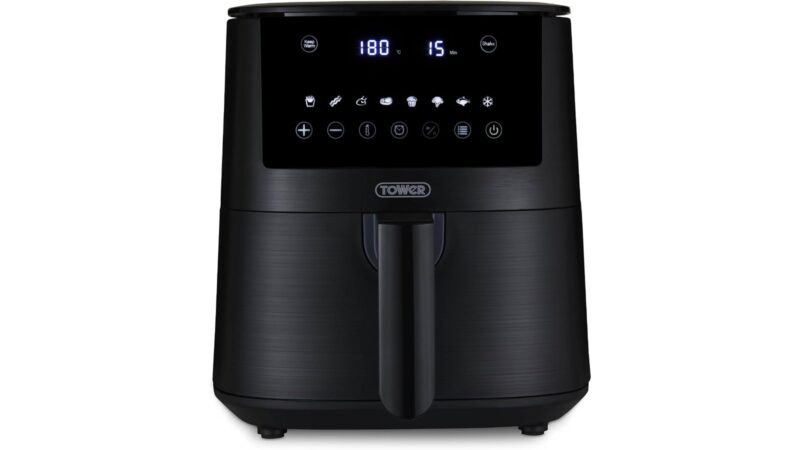
For a beginner cooking for one or two in a small UK kitchen, I’d point you at the Tower T17147 Vortx 4.2L. It isn’t the fanciest machine around, but it gets the basics right for this kind of cooking:
- A 4.2L basket, roomy enough to cook a block of cubed tofu in one layer
- A dedicated veg preset and a bake preset among its 8 one-touch settings
- A shake reminder that shows “SHK” on the display two thirds of the way through, which is genuinely handy while you’re still learning when to toss things
- Temperatures from 40 to 200°C and a 60-minute timer
- A 1-year guarantee that extends to 3 years if you register it online
It’s not perfect. A minority of owners report units failing in the first few weeks, so register that guarantee on day one. On this model, pulling the basket out to shake the food stops the timer rather than pausing it, so you have to set the remaining time again, which gets annoying. If you cook for three or more, or batch cook a week’s worth of roast veg on a Sunday, you’ll want something bigger, and our guide to air fryer capacity explains what the litre numbers mean in practice.
Keeping it clean
Marinades with sugar or maple syrup will catch and burn onto the basket if they drip, so shake off the excess before cooking. Soak the basket in warm soapy water rather than attacking it with a scourer, since scratching the non-stick coating shortens its life. There’s more on that in how to clean an air fryer basket without scratching it. If you notice smoke, it’s usually old oil or food residue in the bottom of the drawer, and this post on air fryer smoke covers the usual causes.
FAQ
Do I need special vegan air fryer recipes?
Not really. Most oven roasting recipes work if you drop the temperature by about 20°C and check the food well before the oven time is up. Keep checking early until you get a feel for your machine.
Can I cook dried beans or lentils in an air fryer?
No, they need simmering in water first. Cook them on the hob (see how to cook dried beans without a pressure cooker), then crisp the cooked beans or chickpeas in the air fryer afterwards.
Is silken tofu any good in an air fryer?
Not for crisping. It’s too soft and falls apart. Use firm or extra-firm tofu, and press it first.
Will plant-based burgers and sausages cook properly?
Usually, yes. Follow the packet’s air fryer instructions if it has them, since cooking times vary a lot between brands.
Do I need baking paper or liners?
They’re handy for sticky marinades, but only use paper made for air fryers, and never leave it in the empty basket while preheating, because it can lift up into the element.
Worth it?
If you eat a lot of vegetables, an air fryer earns its counter space faster than almost any other gadget. Start with tofu and chickpeas, keep the basket uncrowded, and you’ll probably find yourself using it most nights within a fortnight. If you need one, the Tower Vortx 4.2L is a sensible, simple place to start. For the rest of the plant-based kit worth owning, have a look at our best gadgets for vegan meal prep.