Chocolate fondants have a reputation as a restaurant pudding that’s too risky to try at home. They’re really not that hard. Most of the stress comes from two things: timing, and whether the pudding will actually come out of the dish when you turn it upside down.
The dish is the easy bit to get right, so let’s start there.
Size matters more than you’d think
Most fondant recipes for four are written for dishes of around 175 to 200ml. Go much smaller and the pudding cooks through before you’ve had a chance to take it out, so there’s no molten middle. Go bigger and the outside isn’t strong enough to hold its shape when you turn it out.
The cheap little white ramekins you get in multipacks are often only 75 to 100ml. Those are fine for crème brûlée but too small for a proper fondant, so check the capacity before you buy.
Straight sides, please
Ramekins that flare out or curve in at the top make turning out harder. You want straight walls, so the pudding slides out cleanly when you tip it.
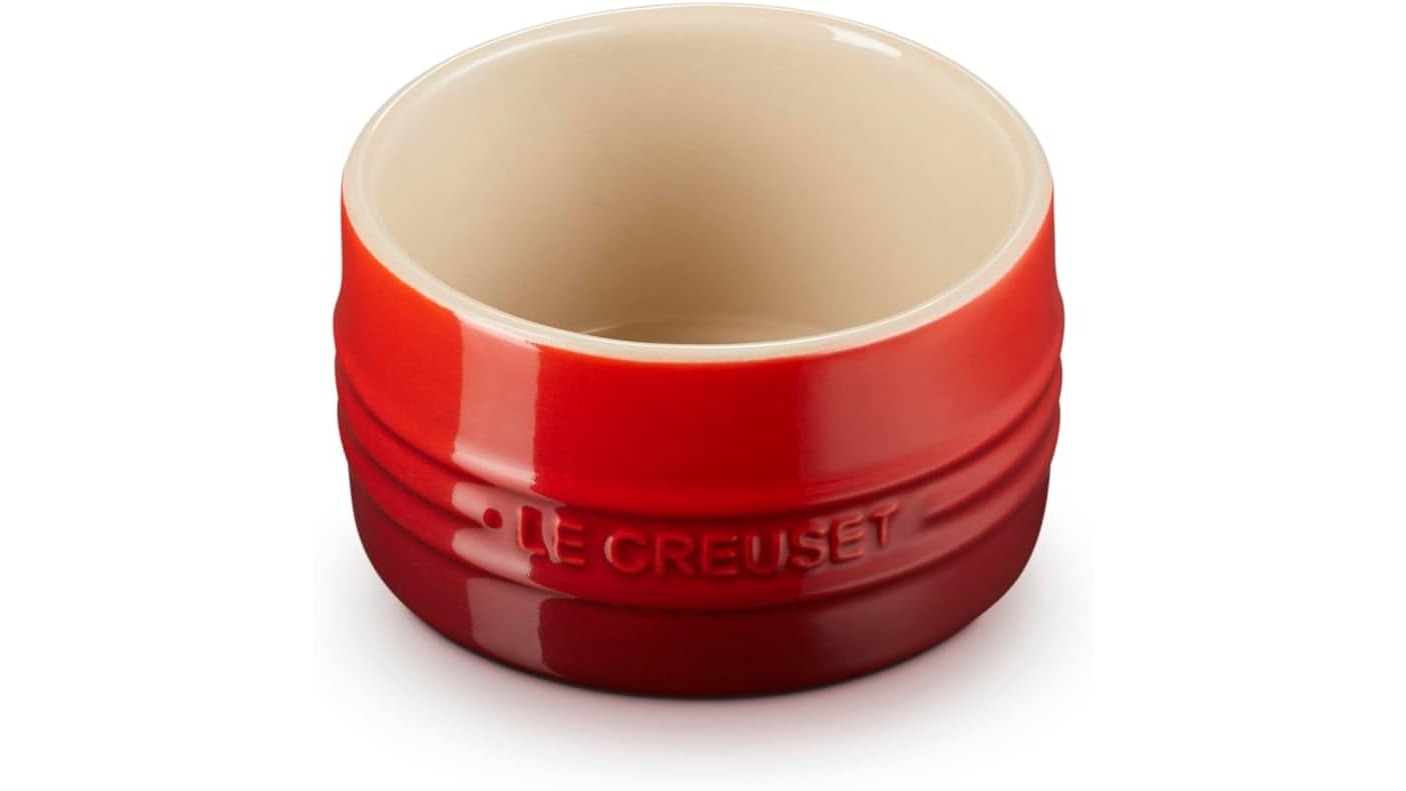
Le Creuset’s 200ml ramekin
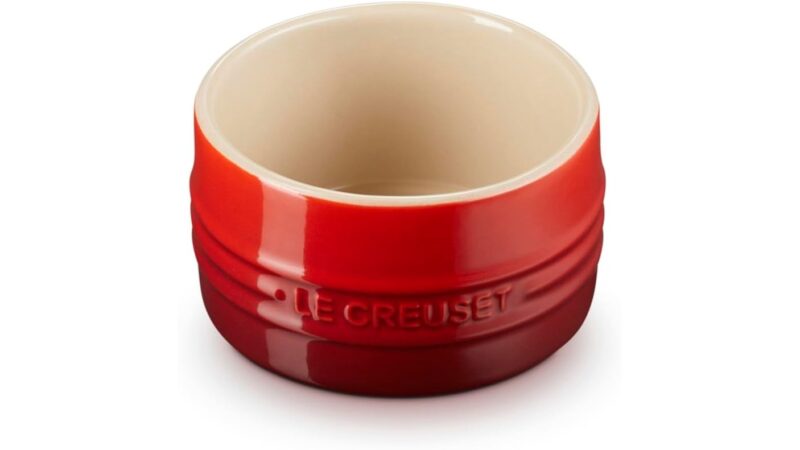
The Le Creuset 200ml straight-wall stoneware ramekin is about as good as ramekins get for this. From the listing:
- 200ml, which is spot on for most fondant recipes
- Straight walls, about 9.3cm across and 5.6cm tall
- Stoneware with a chip-resistant enamel, safe up to 260°C
- Freezer safe and dishwasher safe
- Stackable, with a 10-year warranty
The freezer-safe part is handy. You can fill the ramekins in the afternoon, or even weeks ahead, and bake them straight from the fridge or freezer when you’re ready. Just add a few minutes to the baking time.
The downside is that they’re sold one at a time, and Le Creuset is never the cheap option. You’ll need four for most recipes. If that’s too much, any 175 to 200ml straight-sided ramekin will do the job. Metal dariole moulds also work well and turn out very easily.
How to make sure they come out
- Butter properly. Use soft butter, brushing upwards from the base to the rim, all the way round. Then chill the ramekins and do a second layer.
- Dust with cocoa. Tip a spoonful of cocoa into each ramekin and turn it to coat the inside, then tap out the excess. Flour works too, but it leaves a pale coating.
- Do a test one. Every oven is different. Bake one on its own first, so you know whether your oven needs 10 minutes or 13.
- Rest for a minute. Leave them for about a minute after they come out. Then run a thin knife round the edge, put the plate on top and flip the whole thing.
When they’re done, the tops should be set and slightly domed, with just a hint of wobble in the very centre if you nudge the dish.
And if one does collapse? Put a scoop of ice cream on it and call it a molten chocolate pudding. Nobody’s ever complained.