If you grew up with a stovetop pressure cooker hissing and rattling on the hob, you probably still give them a wide berth. Fair enough. The electric ones are a different animal, though, and winter is exactly when they earn their keep.
Here’s the thing that sells it. A beef and ale stew with cheap braising steak needs two or three hours of low simmering before the meat goes tender. Under pressure, that drops to roughly 35 to 45 minutes of cooking, plus the time it takes to come up to pressure and settle back down. So on a weeknight you can start at six and eat at seven, rather than planning it on Sunday.
What you’re actually getting
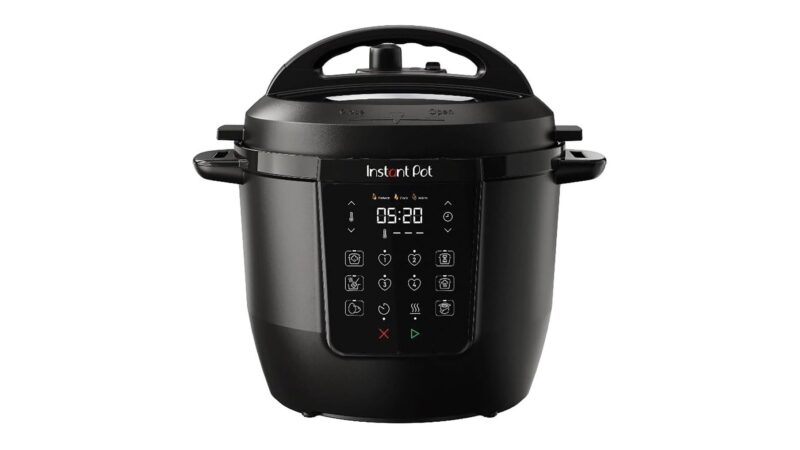
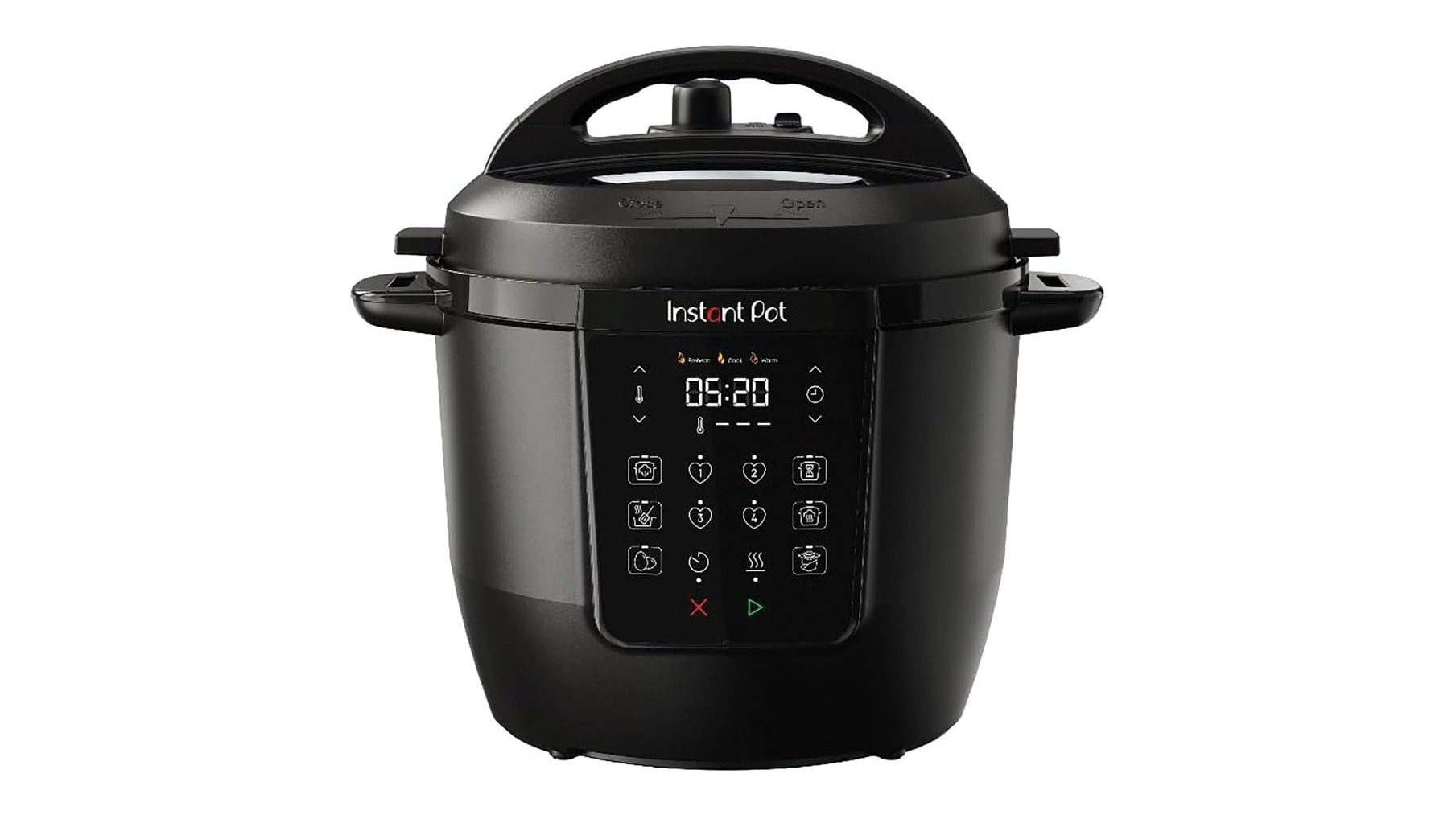
The one I’d look at is the Instant Pot 5.7L 7-in-1 multicooker. From the Amazon UK listing:
- 5.7 litre stainless steel inner pot, which Instant says serves up to six
- 7 functions: pressure cook, slow cook, sauté, steam, yoghurt, eggs and keep warm
- 1000W
- Four buttons you can set up for your own favourite programmes
- Locking lid and a steam release switch
- Inner pot, lid and accessories are all dishwasher safe
- About 32cm wide and 35cm tall, and it weighs 5kg
That sauté setting is the bit people overlook. You brown the meat and soften the onions in the same pot, then lock the lid and switch to pressure. One pot to wash, and you don’t lose the browned bits stuck to the bottom of a frying pan.
Is it scary to use?
Honestly, no. The lid won’t open while there’s pressure inside, and the steam release is a switch on the top rather than a weight you have to knock off with a tea towel. The first time you vent it, a jet of steam does shoot straight up, so keep it out from under wall cupboards and keep your face away. That’s the main thing to get used to.
The other new habit is liquid. Pressure cookers need some thin liquid to build steam, and very little evaporates. Recipes written for the hob often have too much stock in them. Start with less than you’d normally use, and thicken at the end on sauté if it’s watery.
Where it’s less good
- The timings aren’t the whole story. Instant’s headline numbers (risotto in 6 minutes and so on) are the cooking time once it’s at pressure. Coming up to pressure can take 10 to 15 minutes, and a natural release another 10 or more.
- It takes up space. It’s a big round thing that needs a home, and it’s heavy enough that you won’t want to lift it out of a low cupboard every night.
- The sealing ring holds smells. After a curry, your next rice pudding might taste faintly of cumin. A lot of people keep a spare ring just for sweet things.
Instant Pot or a slow cooker?
If you’re out all day and like coming home to dinner that’s already done, a slow cooker still makes more sense, and this does slow cooking too, though dedicated slow cookers tend to be better at it. We looked at the Crock-Pot for winter batch cooking if that’s more your pattern.
If you’re the type who decides what’s for dinner at half five, the Instant Pot is the better buy. It turns cheap tough cuts, dried beans and stock into a weeknight job. For a first pressure cooker, it’s a very forgiving one.