Nobody needs a TV judge to tell them when a pie bottom is soggy. You cut a slice, the top is golden, and underneath is a pale, damp layer of pastry that sticks to the dish. It’s the most common pie problem going, and the good news is that it’s almost always fixable.
Why it happens
The base of a pie is the last part to cook. It’s sitting underneath a wet filling, which keeps it cool, while the top is getting blasted by the heat at the top of the oven. Moisture from the filling soaks down into the raw pastry before it’s had a chance to set, and you end up steaming the base instead of baking it.
Five things that help
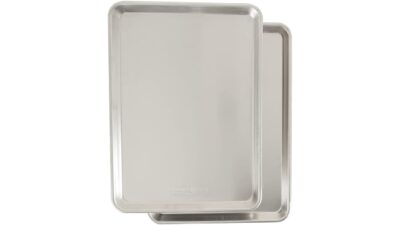
- Preheat a baking tray. Put a heavy tray in the oven while it heats up and set the pie dish straight on it. That hit of heat from below starts cooking the base immediately.
- Bake lower down. Move the shelf to the bottom third of the oven for at least the first part of the bake.
- Blind bake for wet fillings. Custard tarts, quiches and juicy fruit pies all benefit from a part-baked case. Line it, fill it with baking beans, bake, then remove the beans and give it a few more minutes to dry out.
- Seal the base. Brush the blind-baked case with beaten egg and pop it back in for a couple of minutes. It forms a thin layer that stops juices soaking in.
- Cool your filling. Hot filling on raw pastry melts the butter before it hits the oven. Let stews and fruit cool first.
Where a glass dish comes in
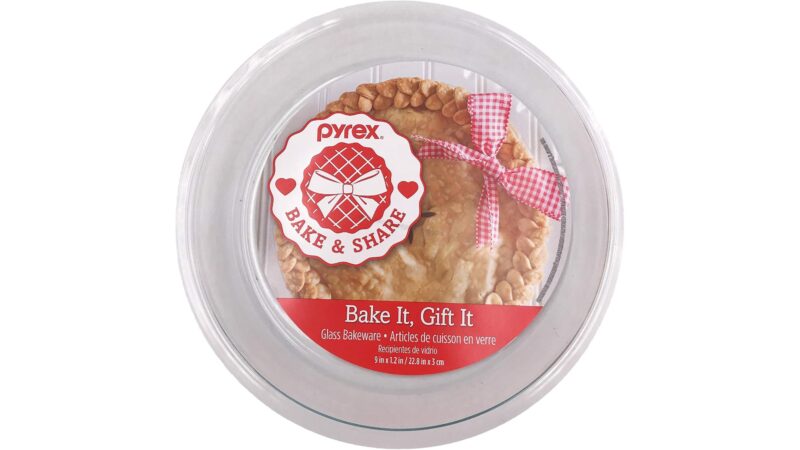
Here’s the thing about a ceramic or dark metal dish: you can’t see the bottom, so you’re guessing. A clear glass dish lets you lift the pie out, tilt it, and actually look at the underside. If it’s still pale, it goes back in. That one change has saved more pies than any recipe tweak.
The Pyrex Basics glass pie dish is the classic for this. It’s about 23cm across and 3cm deep (sold as 9 by 1.2 inches), which suits most standard pie and quiche recipes. It’s safe in a preheated oven, the microwave, the fridge, the freezer and the dishwasher, so you can make a pie ahead, chill it and bake it in the same dish. The glass is non-porous too, so it won’t hang on to the smell of last week’s fish pie.
One honest caveat: glass heats up more slowly than thin metal, so don’t skip the preheated tray. Use the two together and you get steady heat from below plus the ability to check. And as with any glass bakeware, avoid moving it straight from a hot oven onto a cold wet surface.
If the edges of your pastry are catching before the base is done, that’s a separate problem with its own fix. We covered it in how to stop pie crust edges burning.